
Table of Contents
What Is Considered an Accessory Building? Definitions & Regulations
Planning to add a structure to your property? You need to understand what counts as an accessory building before you start construction. Whether you’re thinking about a storage shed, detached garage, or workshop, knowing the rules can save you from costly mistakes and legal issues.
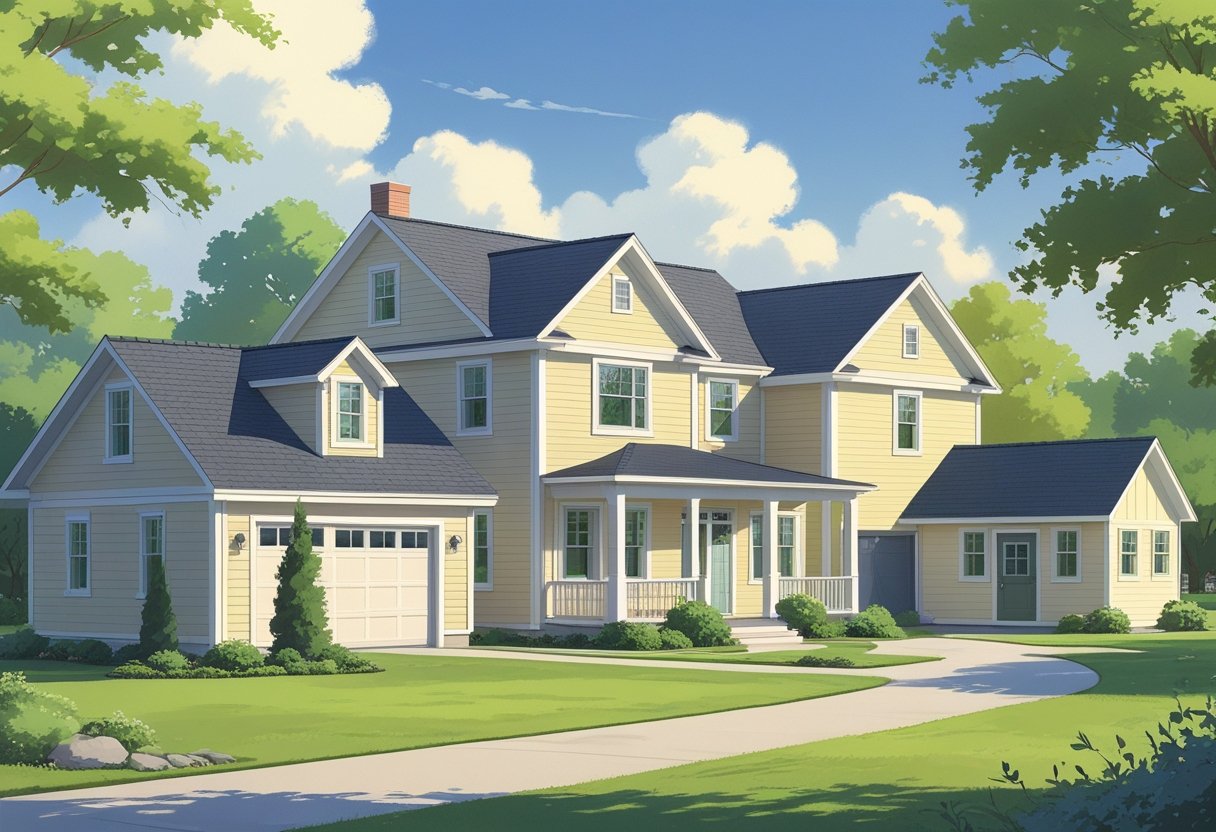
An accessory building is a subordinate structure on the same lot as your main building that serves a purpose related to your property’s primary use. These structures must be smaller and less important than your main house. They cannot be used as your primary living space.
Most cities and counties have specific rules about what qualifies as an accessory building. The definition can vary by location, but common examples include sheds, detached garages, gazebos, and workshops. Understanding these rules helps you plan your project correctly and avoid problems with permits or zoning violations.
Key Takeaways
- Accessory buildings are secondary structures that must be located on the same property as your main house and serve a related purpose
- Common types include storage sheds, detached garages, workshops, and gazebos, but specific rules vary by location
- Most accessory buildings require permits and must follow local zoning laws, setback requirements, and size restrictions
Definition of an Accessory Building
An accessory building is a structure on the same parcel as a principal structure with uses that support the main property. These buildings must meet specific legal requirements and differ from accessory structures in important ways.
Legal Criteria and Characteristics
Legal definitions of accessory buildings are governed by local building codes that vary across jurisdictions. Your accessory building must be subordinate to your main dwelling unit.
The structure must serve a purpose that is incidental to your property’s primary use. This means it supports but doesn’t replace your main building’s function.
Key Legal Requirements:
- Located on the same lot as your dwelling unit
- Subordinate in size and purpose to main structure
- Use must be customarily associated with residential properties
- Cannot be used as a primary residence
Building codes typically limit accessory buildings to two stories and not more than 3,000 square feet. Your local codes may set stricter limits.
Height restrictions and setback requirements ensure your accessory building doesn’t overshadow neighboring properties. Most jurisdictions require specific distances from property lines and other structures.
Difference Between Accessory Buildings and Accessory Structures
The terms “accessory building” and “accessory structure” are often used interchangeably, but important distinctions exist in building codes.
Accessory structures include a broader category that encompasses buildings plus other improvements. This category includes decks, patios, carports, and storage containers.
Accessory Buildings Include:
- Detached garages
- Storage sheds
- Guesthouses
- Workshop buildings
Accessory Structures Include:
- All accessory buildings
- Decks and patios
- Gazebos and pavilions
- Carports
- Shipping containers
Your accessory building is always considered an accessory structure, but not all accessory structures qualify as buildings. The distinction affects permit requirements and zoning compliance for your property.
Building codes may treat these categories differently for construction standards. Your accessory structures might have less stringent requirements than enclosed accessory buildings.
Types of Accessory Buildings and Structures
Accessory buildings vary widely in design, function, and construction methods. They can be simple storage sheds or complex structures like garages with workshops, and may be attached to your home or completely separate buildings.
Common Examples of Accessory Buildings
The most popular accessory buildings serve storage and recreational purposes on residential properties. Garages represent the largest category, providing vehicle storage and often workshop space.
Storage sheds rank as the second most common type. These structures house lawn equipment, tools, and seasonal items. They range from small 8×10 foot units to large 12×20 foot buildings.
Gazebos and pavilions create outdoor living spaces for entertainment and relaxation. Gazebos are classified as accessory structures when located on the same property as your home.
Pergolas offer partial shade and architectural interest to gardens and patios. Unlike enclosed structures, they feature open roofing with beams or lattice work.
Greenhouses allow year-round gardening and plant cultivation. These specialized buildings require specific ventilation and heating considerations.
Pool houses and cabanas provide changing areas and equipment storage near swimming pools. Both above-ground and in-ground pools qualify as accessory structures.
Enclosed vs. Open Structures
Building codes differentiate between enclosed and open accessory structures based on walls and roofing. This classification affects permit requirements and placement restrictions.
Enclosed structures have four walls and a complete roof system. Examples include garages, sheds, and greenhouses. These buildings typically require building permits when they exceed 120 square feet.
Open structures lack complete wall systems but may have partial walls or posts. Pergolas, pavilions, and carports fall into this category.
Semi-enclosed structures combine elements of both types. A carport with three walls or a pavilion with partial screening represents this middle category.
The degree of enclosure impacts your structure’s classification under local building codes. More enclosed buildings face stricter setback requirements and height limitations.
Attached vs. Detached Accessory Buildings
Your accessory building’s connection to your main home determines specific regulatory requirements and construction standards.
Attached accessory buildings connect directly to your house through shared walls or roofing. Common examples include attached garages, covered patios, and sunrooms.
These structures often follow your home’s building codes rather than accessory building regulations. Fire-rated walls may be required between attached garages and living spaces.
Detached accessory buildings stand separately from your main house. These structures must be located on the same property lot but maintain physical separation.
Detached buildings offer more placement flexibility but face setback requirements from property lines. They typically allow different architectural styles than your main home.
Connection methods include covered walkways, breezeways, or utility connections. These connections can change your structure’s classification from detached to attached.
Differences Based on Use
Building codes categorize accessory structures by their intended function, which determines construction requirements and size limitations.
Type A accessory buildings include garage apartments, living quarters, and vehicle storage for automobiles. Any structure over 12 feet in height automatically qualifies as Type A.
Type B structures focus on storage and recreational uses. This category includes tool sheds, gazebos, greenhouses, and hobby workshops.
Storage-focused buildings house equipment, tools, and seasonal items. They require basic construction standards and minimal electrical systems.
Recreational structures like gazebos and pavilions emphasize aesthetics and comfort. These buildings often include upgraded flooring, lighting, and weather protection.
Workshop buildings combine storage with work areas for hobbies or maintenance tasks. They typically require upgraded electrical systems and ventilation.
Vehicle-related structures include garages, carports, and RV covers. These buildings need specific dimensional requirements for different vehicle types.
Zoning, Placement, and Setback Requirements
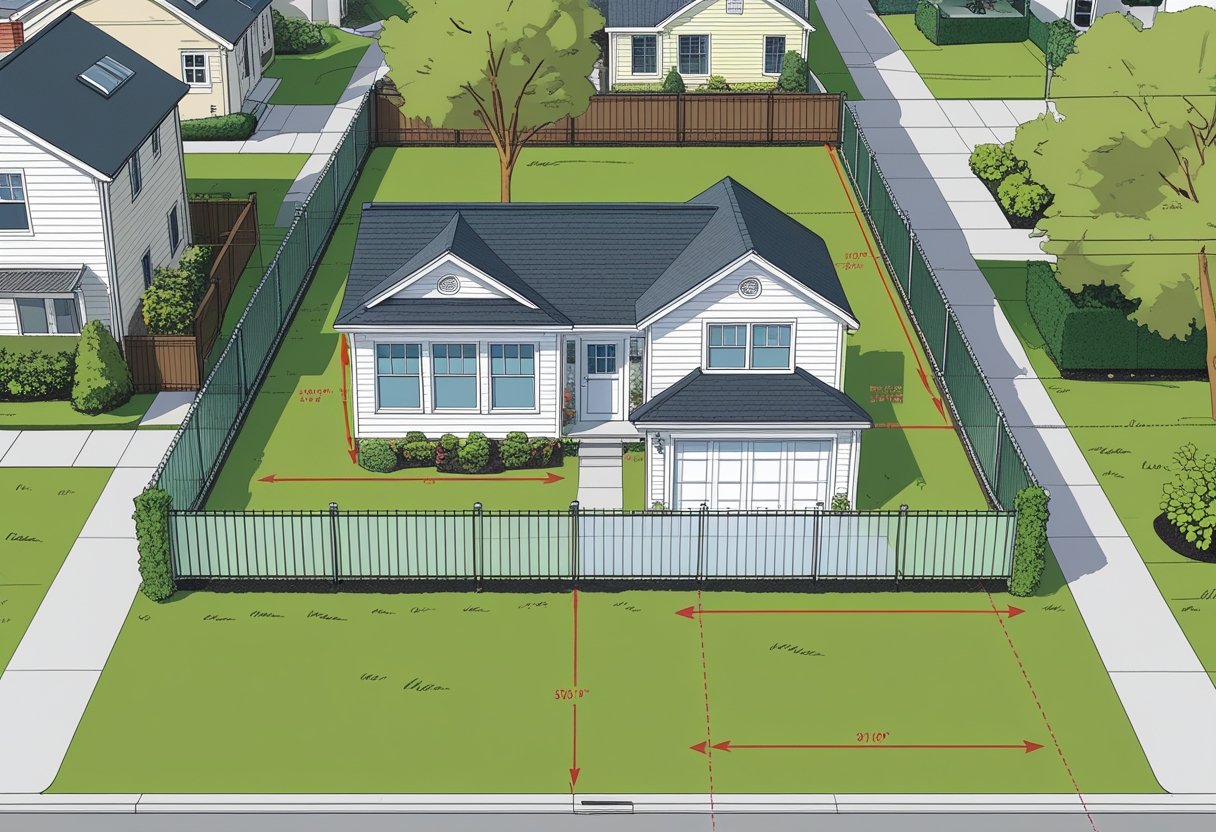
Accessory buildings must maintain specific distances from property lines and the main structure on your lot. Local zoning ordinances establish placement rules that vary by residential, commercial, or industrial zones.
Relationship to Principal Structure
Your accessory building’s placement relative to your main structure affects how it’s classified and regulated. When the distance between walls or eaves is less than specified requirements, buildings are considered attached for setback purposes.
Attached vs. Detached Classification:
- Buildings closer than minimum distances must meet main building setbacks
- Shared or continuous rooflines create attached classification
- Detached structures follow different placement rules
The distinction matters because attached structures face stricter regulations. Your accessory building may need to comply with primary structure codes if placed too close.
Most jurisdictions require accessory buildings to remain subordinate to your main structure. This means they typically cannot exceed certain percentages of your primary building’s size or footprint.
Setback and Property Line Guidelines
Setback requirements determine how far your accessory building must sit from property lines, streets, and neighboring structures. In residential zoning districts, freestanding accessory structures over 12 feet tall must meet side setback requirements of that specific zone.
Common Setback Requirements:
- Side yards: 5-10 feet from property line
- Rear yards: 3-15 feet depending on structure height
- Front yards: Usually prohibited or severely restricted
- Corner lots: Additional setbacks from both street frontages
Height affects setback distances in most ordinances. Taller structures need greater distances from property lines to prevent overshadowing neighboring properties.
Your local zoning ordinance establishes specific measurements for your area. These standards must be met even when building permits aren’t required for smaller structures.
Permits, Codes, and Legal Considerations
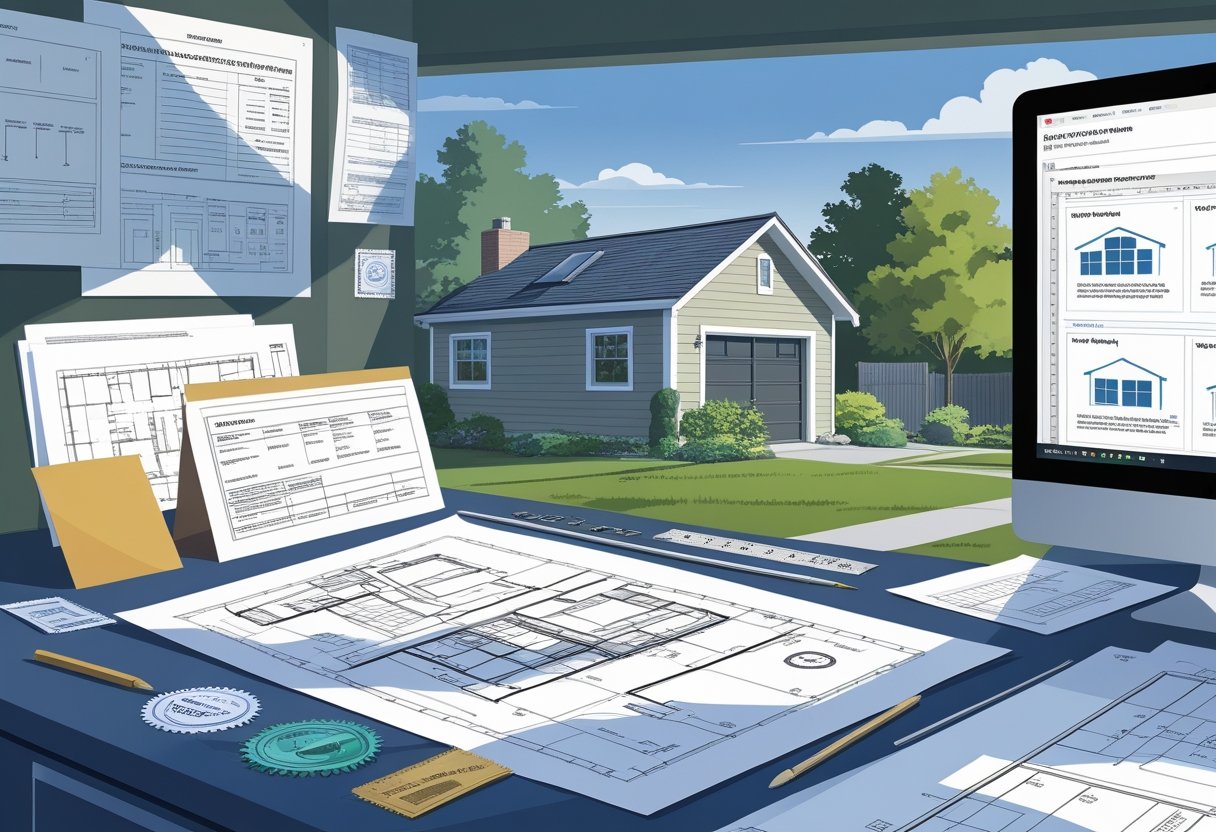
Most accessory buildings require permits and must follow specific local rules. The size and type of structure you plan to build determines what approvals you need.
When a Building Permit Is Needed
Most structures require building permits based on their size and height. You typically need a permit if your building exceeds basic size limits.
Many areas require permits for structures over 200 square feet. Some places set the limit at different sizes based on local rules.
Height also matters for permit requirements. Buildings over six feet tall often need permits, even if they are small.
Common permit requirements:
- Floor area over 200 square feet
- Height over 6-8 feet
- Electrical or plumbing connections
- Permanent foundations
Detached garages almost always need permits. The same applies to guest houses or any building meant for people to use regularly.
You must submit detailed plans showing your building meets all local codes. The approval process includes inspections at various construction stages to make sure you follow the rules.
Relevant Local Ordinances
Local ordinances control where you can place accessory buildings and how big they can be. These rules change from city to city.
Setback requirements tell you how far your building must sit from property lines. Most areas require at least 5-10 feet from side and rear boundaries.
Size limits keep accessory buildings smaller than the main house. Buildings are often capped at 3,000 square feet and two stories.
Zoning laws also control what you can use the building for. Accessory buildings cannot be used for living or sleeping quarters in residential zones in many areas.
Some ordinances limit how many accessory buildings you can have. Others set rules about building materials or colors to match your neighborhood.
Breaking these rules can lead to fines or orders to change or remove your building. Check your local planning office before you start building.
Construction, Maintenance, and Modifications
Accessory buildings require proper foundations and structural elements to meet code requirements and ensure safety. Regular maintenance and timely repairs help preserve these structures and prevent costly damage over time.
Foundations and Structural Requirements
Your accessory building needs a foundation appropriate for its size and local soil conditions. Most small structures under 200 square feet can use concrete pads or pressure-treated skids on level ground.
Larger accessory buildings typically require concrete footings that extend below the frost line. This prevents frost heaving that can crack walls and cause structural damage. Check your local building codes for specific depth requirements in your area.
Foundation Options by Structure Size:
- Small sheds (under 120 sq ft): Concrete pads or gravel base
- Medium structures (120-400 sq ft): Concrete footings or stem walls
- Large buildings (over 400 sq ft): Full concrete foundation with footings
The structural frame must handle wind loads and snow loads for your region. Use pressure-treated lumber for ground contact areas to prevent rot and insect damage.
Your roof structure needs proper support spacing. Rafters or trusses should be spaced according to your local snow load requirements, typically 16 or 24 inches on center.
Repairs and Upkeep of Accessory Buildings
Regular maintenance prevents small problems from becoming expensive repairs. Inspect your accessory building twice yearly, ideally in spring and fall.
Key Maintenance Tasks:
- Check roof shingles for damage or missing pieces
- Clear gutters and downspouts of debris
- Inspect foundation for cracks or settling
- Examine siding for loose boards or gaps
- Test doors and windows for proper operation
Address water damage immediately to prevent structural problems. Replace rotted wood promptly and ensure proper drainage around the foundation.
Paint or stain exterior surfaces every 3-5 years to protect against weather damage. Use quality exterior products rated for your climate conditions.
Foundation repairs often require professional assessment. Small cracks can be sealed with concrete caulk, but larger issues may need excavation and reinforcement work.
Frequently Asked Questions
Municipal building codes define accessory buildings as detached subordinate structures that serve purposes incidental to the main building. Size limits, zoning restrictions, and specific use classifications vary between jurisdictions and structure types.
What constitutes an accessory building according to municipal building codes?
Municipal building codes typically define an accessory building as a detached subordinate structure located on the same lot as the main building. The structure must serve a purpose that supports the primary use of your property.
Your accessory building cannot be the main focus of your property. It must remain secondary to your primary structure in both size and function.
Building codes specify requirements for height, size, design, number, and location of these structures. You must follow setback requirements from property lines and neighboring buildings.
Most codes require that accessory buildings maintain architectural compatibility with your main structure. Fire resistance standards and structural integrity requirements also apply to these buildings.
Can a garage be classified as an accessory structure on residential property?
Yes, detached garages qualify as accessory structures on residential properties. Your garage must be detached from your main house to receive this classification.
Detached garages face specific regulations regarding height restrictions and setbacks from streets. You must maintain proper distances from neighboring properties and follow local architectural requirements.
If your garage connects to your house through a roof or structural attachment, it becomes an addition to your main building. This changes the permit requirements and building code classifications you must follow.
What are the restrictions on accessory buildings in urban residential zones?
Urban residential zones impose strict size limitations on your accessory buildings. Most jurisdictions limit these structures to prevent them from overshadowing your main house.
You must follow specific setback requirements from property lines and neighboring structures. Height restrictions typically cap accessory buildings at one or two stories maximum.
Zoning laws categorize areas into residential, commercial, or industrial zones with specific rules for each area. Your accessory building must comply with the zone designation of your property.
You cannot use accessory buildings for commercial purposes in residential zones. Some areas restrict rental use or limit the number of accessory structures per lot.
How do accessory buildings differ from auxiliary dwelling units?
Accessory buildings cannot be used for living or sleeping quarters in residential zones. They serve storage, vehicle parking, or workshop functions only.
Auxiliary dwelling units or ADUs provide complete living spaces with kitchens and sleeping areas. An Accessory Dwelling Unit is different and not considered an accessory building.
Your accessory building can include a bathroom but cannot have kitchen facilities or bedrooms. ADUs require separate permits and must meet residential building standards.
ADUs face different zoning requirements and utility connection standards. They often require more complex approval processes than standard accessory buildings.
Are there size limitations for structures to be considered accessory buildings?
Yes, size limitations apply to maintain the subordinate nature of your accessory building. Storage sheds are often limited to 200 square feet or less to ensure they remain secondary structures.
Larger accessory buildings face more stringent regulations and permit requirements. If your structure exceeds local size limits, it may be reclassified as a primary building.
Height restrictions typically limit accessory buildings to one story or specific maximum heights. Total square footage caps vary by jurisdiction and property size.
Your accessory building must remain smaller than your main house in most jurisdictions. Some areas calculate maximum sizes as percentages of your primary structure’s footprint.
What types of sheds fall under the definition of accessory buildings?
Storage sheds that house tools, equipment, and other items qualify as accessory buildings. These structures must serve purposes related to your property’s main use.
Garden sheds, tool sheds, and equipment storage buildings all fall under accessory building classifications. Your shed must remain detached from your main house.
Some jurisdictions exempt smaller sheds from permit requirements if they stay under specific size thresholds. However, all sheds must comply with zoning placement requirements and construction standards.
Workshop sheds and hobby buildings qualify as accessory structures when used for personal activities. Commercial use of your shed may change its classification and permit requirements.