

A quiet morning, the first sip of tea, or a few minutes in fresh air can make an ordinary day feel more welcoming. You enjoy the little things by noticing small, everyday pleasures and giving yourself time to savor them as they happen.
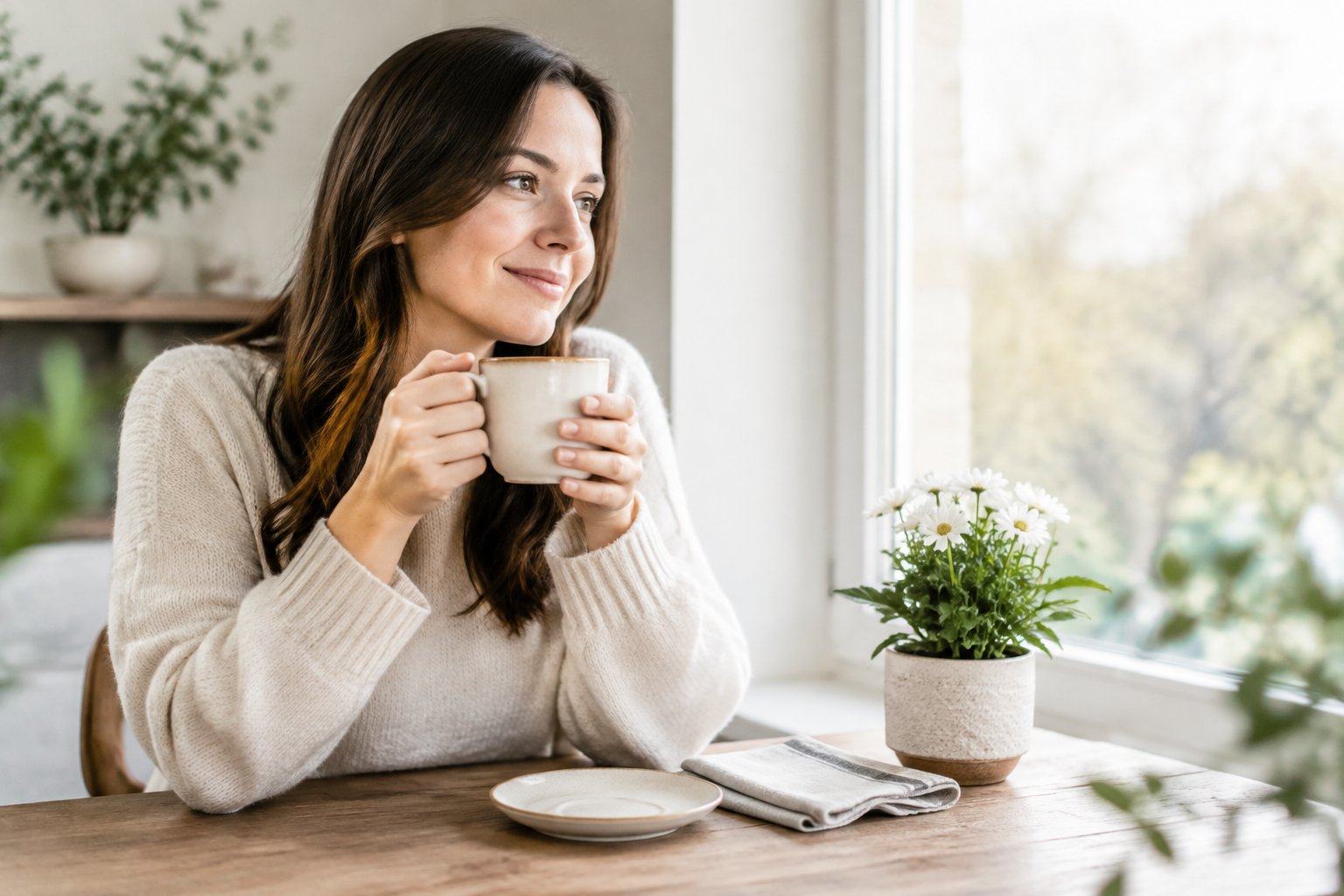
When routines and big goals fill your attention, these moments can pass without registering. A little more presence, appreciation, and room in your day can help you feel connected to what already gives your life meaning.
Table of Contents
What Does It Mean to Enjoy the Little Things?

To enjoy the little things is to notice and appreciate ordinary experiences while they are happening. A familiar song, a warm drink, or a friendly greeting can bring a moment of pleasure without needing to become part of a major occasion. You can build this kind of attention into an ordinary day through small pauses and choices.
How Small Everyday Moments Differ From Major Milestones
Major milestones give you something meaningful to anticipate and celebrate. Everyday moments offer more frequent chances to feel at ease, connected, or content. Think of sunlight on your kitchen table, a comfortable chair, or a conversation that makes you smile.
You do not have to choose between appreciating milestones and enjoying the little things in life. You can look forward to a future event while also noticing what is good in the day you are living now. A mindful pause, like the ones in these mindfulness habits, helps you bring your attention back to what is in front of you.
What Jon Kabat-Zinn and Robert Brault Mean by the Little Things
Jon Kabat-Zinn is often quoted as saying, “The little things? The little moments? They aren’t little.” The thought invites you to consider how a small moment can feel significant when you give it your full attention.
A line commonly attributed to Robert Brault says, “Enjoy the little things in life, for one day you’ll look back and realize they were the big things.” Both sayings point toward the value of ordinary experiences. You can use them as a reminder to notice the daily interactions and comforts that make up much of your life.
Why Do Small Moments Matter for Well-Being?

Small moments give you regular opportunities to experience appreciation, gratitude, and positive emotions. Paying attention to them can add a sense of contentment to daily life, even when you are also dealing with stress or disappointment.
How Appreciation and Gratitude Support Contentment
Appreciation directs your attention toward something you value, such as a thoughtful message, a comfortable home, or the chance to rest. Gratitude gives you a way to name that value. Neither asks you to pretend every part of life feels easy. You can acknowledge a hard day and still be glad for one comforting moment within it.
To make gratitude specific, describe the moment that stood out. “I appreciated the quiet while I drank my tea” gives you a clear memory to return to. A broad statement can be harder to connect with. If writing helps you reflect, try a short note in a journal and explore these ideas for mindfulness reflection.
The Difference Between Joy and Happiness
Happiness describes a broader sense of satisfaction or well-being, while joy can arrive as a distinct feeling in a particular moment. You might feel a flash of joy when you hear a favorite song. Then you can carry a quieter sense of happiness through the rest of the day.
The two experiences can support each other. Repeated moments of pleasure and connection give you small reasons to feel engaged with daily life. A larger sense of well-being can help you recognize those moments when they come.
How Can You Notice More Joy in Everyday Life?
You can notice more joy by slowing down enough to register your surroundings, savoring ordinary pleasures, and sharing appreciation with someone else. These practices can fit into routines you already have. You do not need to add a complicated task to your day.
Pause and Pay Attention to the Present Moment
Choose one everyday activity and give it your full attention for a few breaths. As you make coffee or walk to your car, notice the smell, temperature, sounds, or movement around you. When your thoughts move to errands or deadlines, gently return to the detail you were noticing.
This pause does not need to change your mood or solve a problem. It gives your attention a chance to rest on the present moment, even briefly. A more intentional daily rhythm can make these pauses easier to remember; you can explore ideas for living intentionally.
Keep a Simple Record of Daily Bright Spots
At the end of the day, write down one or two moments you appreciated. Keep each note concrete: the smell of rain, sharing cookies with a neighbor, or a good conversation on your lunch break. Over time, these notes give you a personal record of the details that bring you comfort and pleasure.
If keeping a journal feels like too much, use a note on your phone or say the moment aloud. The useful part is naming what you noticed, not maintaining a perfect record. You can also find more ideas for journaling as a mindfulness practice.
How Can You Savor and Share Everyday Pleasures?
Savor Ordinary Pleasures, From Fresh Air to Cookies
Savoring means staying with a pleasant experience long enough to notice it. Let the breeze reach your face on a short walk. Take time to taste lunch, or enjoy warm cookies without rushing through the first few bites. A familiar pleasure can feel more satisfying when your attention is on it.
You can make room for these moments without turning them into another expectation. If you are busy or tired, choose the smallest pause that feels comfortable. For example, opening a window or sitting down with a warm drink works well.
Share Small Moments of Appreciation With Others
Tell someone when you appreciated a small kindness or enjoyed a moment with them. A brief thank-you, a shared laugh, or a message about something that made you smile can help. You both notice the connection you already have.
Sharing also gives you a chance to hear what the other person enjoyed. Keep it low-pressure. Mention the moment in conversation. Do not turn it into a daily assignment or expect every exchange to feel profound.
How Can Minimalism Make Room for Everyday Joy?
Minimalism can make room for everyday joy by helping you focus your time, attention, and resources on what you value. It offers a way to reduce excess and make more space for meaningful routines, relationships, and experiences.
Reduce Distractions and Make Space for What Matters
A crowded schedule or a room full of items competing for your attention can make it harder to pause. You might start with one small adjustment. Clear a surface where you enjoy your morning drink. Put your phone away during a meal. Or leave a little unscheduled time between commitments.
You can decide what “enough” looks like in your own home and routine. A more minimalist approach to daily life can help you choose which belongings and habits support your values, then release what adds noise without adding meaning.
Choose Meaningful Experiences Over More Possessions
Experiences can give you opportunities to connect with other people, learn something, or enjoy your surroundings. A walk with a friend, a meal at home, or time spent on a hobby can feel rewarding without requiring a new purchase.
Mindful consumption also leaves room for the things you genuinely use and enjoy. You can value a favorite mug, a useful coat, or a well-loved book while choosing new belongings with care. The idea behind quality over quantity is to make your choices reflect what matters to you, including comfort and pleasure.
Let Small Moments Bring More Meaning to Each Day
You can bring more meaning to the day by pairing attention with choices that reflect what you value. Notice a small pleasure and give it a moment of your time. Let it count without asking it to erase a difficult feeling or circumstance.
Minimalism can support that practice by helping you create breathing room in your home and routine. Live the Minimalist Lifestyle shares ideas for intentional living, mindful consumption, and choosing simplicity. These ideas leave room for what gives your days meaning.
Frequently Asked Questions
You can practice enjoying small moments in ways that fit your energy and circumstances. The answers below offer a few simple starting points.
What does it mean to enjoy the little things?
It means noticing and appreciating small, ordinary moments as they happen. A warm drink, a kind exchange, or a few minutes outside can all be part of that practice.
How can I enjoy little things in life when I feel stressed?
Start with one small, pressure-free pause, such as taking a slow breath or noticing the warmth of your mug. Stress may still be present, and you can give yourself permission to appreciate a moment without expecting it to fix everything.
Who said the quote “enjoy the little things in life”?
The line “Enjoy the little things in life, for one day you’ll look back and realize they were the big things” is commonly attributed to Robert Brault. You may also see shorter versions of the saying shared without an attribution.
What is a word for enjoying the little things?
“Savoring” describes paying attention to and appreciating a pleasant experience. “Mindfulness” also fits when you bring your attention to what is happening in the present moment.
Can practicing gratitude help me notice more everyday joy?
Yes, a gratitude practice can help you name moments you appreciate and remember them later. A brief note about one specific detail, such as a friendly conversation or fresh air, is enough to begin.