
Table of Contents
Minimalist 100 Things List: How to Simplify Your Life
As someone who has always been fascinated by minimalism and decluttering, I was immediately drawn to the 100 things challenge: own just 100 personal possessions and live a simpler, more intentional life. At its core, the challenge means keeping 100 personal items — clothing, accessories, personal care items, and other essentials — while excluding shared household items like furniture and kitchen appliances. The goal is to simplify our lives, reduce our environmental impact, and focus on the things that truly matter.

Key Takeaways
- The 100 things challenge is a minimalist approach to living that involves owning just 100 personal items.
- The goal is to simplify our lives, reduce our environmental impact, and focus on what truly matters.
- I bet you have much more than you think — according to the Los Angeles Times, the average American household has more than 300,000 items in it. Source: theminimalists.com
- Minimalism means intentionally focusing on quality, whether that means having thousands of items, just 100 items, or everything in between.
The List: A Realistic 64-Item Minimalist Checklist
Here is the honest part most 100-things articles skip: when you count only what this guide actually names, the list comes to 64 items, not 100. That is a realistic, livable count — and a good reminder that the number matters less than the intention behind it. Use it as a starting point and adjust it to your life.
How the counting works: Clothing, accessories, personal care items, and personal tech count toward the list. Shared household items — furniture, kitchen appliances, and things the whole household uses — do not, which is the same rule the challenge itself uses. A set that functions as one thing (a set of drinking glasses, a cutlery set) counts as one item. Your home, your rules: if you count a set of six glasses as six, your total will land higher, and that is fine too.
Wardrobe and Clothing (14)
- Basic t-shirts
- Button-down shirts
- Jeans
- Dress pants
- Dresses
- Sweaters
- Coat
- Jackets
- Underwear
- Socks
- Belts
- Sneakers
- Dress shoes
- Sandals
Kitchen and Dining (12)
- Cast iron skillet
- Pots and pans
- Plates
- Bowls
- Mugs
- Drinking glasses (set)
- Cutlery set
- Spatula
- Whisk
- Tongs
- Silicone baking mat
- Reusable storage bags
Office and Tech (6)
- Laptop
- Headphones
- Notebook
- Pen
- Desk
- Smartphone
Personal Care and Toiletries (13)
- Toothbrush
- Toothpaste
- Floss
- Face wash
- Moisturizer
- Sunscreen
- Shampoo
- Conditioner
- Leave-in conditioner
- Hairbrush
- Hair ties
- Microfiber towel
- Toiletry bag
Living Spaces (6)
- Pillow
- Blanket
- Shelves
- Wardrobe
- Artwork (a few loved pieces)
- Plants
Accessories and Personal Items (8)
- Wallet
- Watch
- Sunglasses
- Hat
- Necklace
- Cufflinks
- Razor
- Shaving cream
Miscellaneous Essentials (5)
- Bicycle
- Suitcase
- Candle
- Scissors
- Trash can
The Philosophy of Minimalism

Minimalism is a lifestyle that focuses on owning only the essential things that bring value and joy to one’s life. It is not just about decluttering and getting rid of things, but also about simplifying one’s thoughts, actions, and emotions — letting go of the need for excess and focusing on what truly matters. As a minimalist, I have found that simplifying my life has brought me peace, reduced my stress levels, and given me more time and energy for the things that truly matter to me.
The benefits are practical, too. With fewer possessions, I have more space and less clutter at home, and a sense of calm instead of feeling overwhelmed by stuff. Minimalism has also allowed me to save money: I am more intentional with my purchases, only buying things I truly need or that bring me joy, which has reduced my environmental impact as well.
Getting Started with Decluttering
Decluttering can feel overwhelming, but it is an essential step towards a minimalist lifestyle. Start by creating a plan: decide which areas to tackle first, such as your closet or storage room, and make a list of what you want to keep and what you want to let go of. Take your time — don’t try to declutter your entire home in one day. Break it into smaller tasks, one area at a time, starting with easier areas like a bookshelf or kitchen cabinets. As you go through your possessions, ask if you really need each item; if you haven’t used it in the past year, it’s probably time to donate it or sell it online.
Three challenges come up again and again. For sentimental items, take a photo before letting go — you keep the memory without the physical space. For guilt, remember that decluttering is a step towards a more minimalist lifestyle, not a waste. And don’t keep items just because you have storage space for them; keep only possessions that bring you joy and serve a purpose.
Minimalist Living Spaces

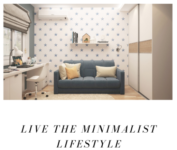
Living spaces are where we spend most of our time, so create an environment that promotes relaxation and calm. Less is more: declutter anything that doesn’t bring you joy or serve a purpose, then keep the space clean, bright, and open, with neutral colors and natural light whenever possible. For furniture and décor, choose functional, timeless pieces that will last for years rather than trendy ones, and display just a few pieces of artwork and plants that you truly love. To stay organized, invest in storage solutions that work for you — shelves on the walls or a wardrobe that fits all of your clothes — and keep seasonal décor simple enough to use year-round, which saves money and prevents clutter from building up.
Minimalist Wardrobe
My wardrobe follows the list above: a few essential pieces — basic t-shirts, button-down shirts, jeans, dress pants, dresses, sweaters, a coat and jackets — that mix and match into different outfits, plus a few pairs of shoes (sneakers, dress shoes, and sandals) kept organized on a shoe rack. To maintain a capsule wardrobe, I regularly go through my clothes and remove anything I no longer wear or that doesn’t fit well, and I avoid buying new clothes unless I need to replace something worn out. Slim hangers, neatly folded clothes, and drawers for underwear, socks, and belts keep it all in order — and save me time and money.
Minimalist Kitchen
Less is more in the kitchen, too. A few high-quality pots and pans that serve multiple purposes (a cast iron skillet can fry, bake, and even work as a pizza stone), one set of dishes and utensils for all meals, and a few basic cooking utensils — a spatula, whisk, and tongs — cover most recipes. Reusable silicone bags instead of plastic bags and a silicone baking mat instead of parchment paper cut waste. Simplify cooking itself with meal planning, one-pot meals like stews and soups, and batch cooking you can freeze for later. The result is a functional, efficient kitchen that saves money and reduces waste.
Minimalist Office and Tech
Digital clutter is one of the biggest sources of clutter in our lives — endless emails, notifications, and files. To combat it: unsubscribe from unnecessary emails and newsletters, set up filters and labels to sort incoming mail automatically, use a task management app for to-dos and deadlines, regularly delete old files, and turn off notifications for non-essential apps. For physical supplies, less is often more:
| Item | Description |
|---|---|
| Notebook | For jotting down ideas and to-dos. |
| Pen | I prefer a good old-fashioned pen and paper for brainstorming and note-taking. |
| Laptop | My trusty laptop is my main workhorse. |
| Headphones | Noise-cancelling headphones are a must for blocking out distractions. |
| Desk | A simple, uncluttered desk is key for a minimalist office. |
No stacks of papers, no piles of pens, no unnecessary gadgets — just a setup that helps me stay focused, productive, and stress-free.
Personal Care and Toiletries
I used to pack my entire bathroom cabinet when traveling; now I bring only the essentials. Dental hygiene is non-negotiable: a toothbrush, toothpaste, and a small container of floss. For skincare, a gentle face wash and moisturizer, plus a small bottle of sunscreen — multi-purpose products like a tinted moisturizer with SPF save even more space. For hair, a small bottle of shampoo and conditioner, a hairbrush and hair ties, and leave-in conditioner for warm destinations. A lightweight, quick-drying microfiber towel replaces bulky towels. The routine is minimal but effective.
Lifestyle, Habits, and What to Own or Rent
The habits matter as much as the items. Decluttering regularly, prioritizing quality over quantity, and simplifying my morning routine (fewer decisions, a small wardrobe on rotation) have reduced my stress, improved my sleep, and let me focus on the people and experiences that truly matter. Renting a smaller space helped me be more intentional with my belongings, and investing in a high-quality pillow and blanket improved my sleep.
For big-ticket items, ask whether you really need to own them. I own the furniture I use regularly, but for things I need only occasionally — a folding chair for guests — I rent or borrow. Renting saves space and money: if public transportation is readily available, you may not need to own a car at all, and renting lets you try items (even shoes, through services like Rent the Runway) before committing to a purchase. Leisure follows the same principle: borrow books from the library instead of buying them, keep a small collection of board games and a few select DVDs, and keep accessories simple and functional — a slim leather wallet, a watch, sunglasses, a hat, and a couple of special-occasion pieces like a silver necklace and cufflinks.
Miscellaneous Essentials
A few everyday items earn their place: a bicycle (exercise, fresh air, and no fuel beyond your own energy), a lightweight hard-shell suitcase with wheels for travel, a natural soy or beeswax candle for a cozy ambiance, a good pair of scissors (you don’t realize you need them until you don’t have them), and a small trash can with a lid that fits your decor. They may not seem like much, but they make a real difference day to day.
Embracing the 100 Things Challenge
The 100 Things Challenge was popularized by Dave Bruno, who lived with exactly 100 personal items for a year. One of the great things about it is that you set your own rules — you decide what counts as one item and what doesn’t, whether a set of six drinking glasses is one item or six. Counting your possessions can be tedious, but it is essential: it forces you to take stock of what you own, confront your shopping habits, and think twice before buying something new. Many people who have completed the challenge found more freedom and less stress; Dave Bruno’s book, The 100 Thing Challenge, is a great place to start. It’s a personal journey — and as the 64-item list above shows, your number doesn’t have to be exactly 100 to change how you live.
Keep Reading
- How to Create a Minimalist Capsule Wardrobe
- Closet Clean-Out: Where the Wardrobe Declutter Starts
- How to Maintain a Minimalist Lifestyle in a Consumer-Driven Society
Frequently Asked Questions
What are the top 100 essential items for a minimalist lifestyle?
As a minimalist, I believe that the number of items you own should be based on your unique needs and lifestyle. However, some essential items that can be included in a minimalist 100 things list are clothing, toiletries, kitchenware, electronics, and personal items. Check out this list of 111 items that can help you get started.
How do I get started with living minimally with only 100 items?
To get started with living minimally with only 100 items, start by decluttering your possessions and only keeping the items that you need and use regularly. It’s important to be intentional with your choices and only keep items that add value to your life. You can also create a list of essential items that you need and use on a daily basis.
Can you share a checklist of must-have items for a minimalist 100 things list?
Yes, here is a decluttering checklist with over 100 ideas of what you can get rid of as a minimalist. This list can help you figure out what to cut in each area of your life, from your wardrobe to your digital data. Remember, this list is just a starting point, and you should only keep the items that add value to your life.
What are some tips for downsizing possessions to a minimalist 100 things list?
To downsize your possessions to a 100 things list, start by categorizing your possessions and only keeping the items that you need and use regularly. It’s important to be intentional with your choices and only keep items that add value to your life. You can also donate or sell items that you no longer need.
How do women approach creating a minimalist 100 things list?
Women can approach creating a minimalist 100 things list by following the same principles as men. It’s important to be intentional with your choices and only keep items that add value to your life. Women can also focus on versatile clothing items that can be mixed and matched and invest in quality pieces that will last.
What are some challenges when living with fewer than 100 items?
Some challenges when living with fewer than 100 items include adjusting to a minimalist lifestyle, letting go of sentimental items, and dealing with societal pressure to own more. However, living with fewer items can also bring many benefits, such as increased focus and clarity, reduced stress and anxiety, and more financial freedom.